Safe Homes

Summary:

Safety at home should be a priority. Home is where a large chunk of life is spent, safety measures are worth it. Safe Homes can be achieved through technology, family, and community.


Security Cameras:

Security cameras are a worthwhile investment for home safety. By installing basic security features such as cameras, the chances of a home being targeted as a victim of crime are decreased. According to this article, a home with security cameras is 300% safer from break-ins than a home without a camera. Installing security cameras is an excellent deterrent that makes criminals think twice about committing any potential property crime or non-property related crime. Not only does proper surveillance make a home safer, it can also help lower homeowner insurance premiums. According to one source, the home insurance discounts can range from 5% to 20%. The money saved from lower home insurance premiums, as well as the lowered crime risk brought about by a decent home surveillance system makes the relatively small installation cost worth it.


Other Security Measures:

Dogs, man's best friend, are not only lovable companions but also great defenders of homes. They provide emotional support and physical support for those in need but can also be great security assets. Dogs can easily scare off intruders, and some breeds if trained properly can attack any unwanted visitors. A loud bark can work as an alarm system. Just like security cameras, they work as a deterrent against any potential property crime. This study shows that neighborhoods with more dogs have less crime.
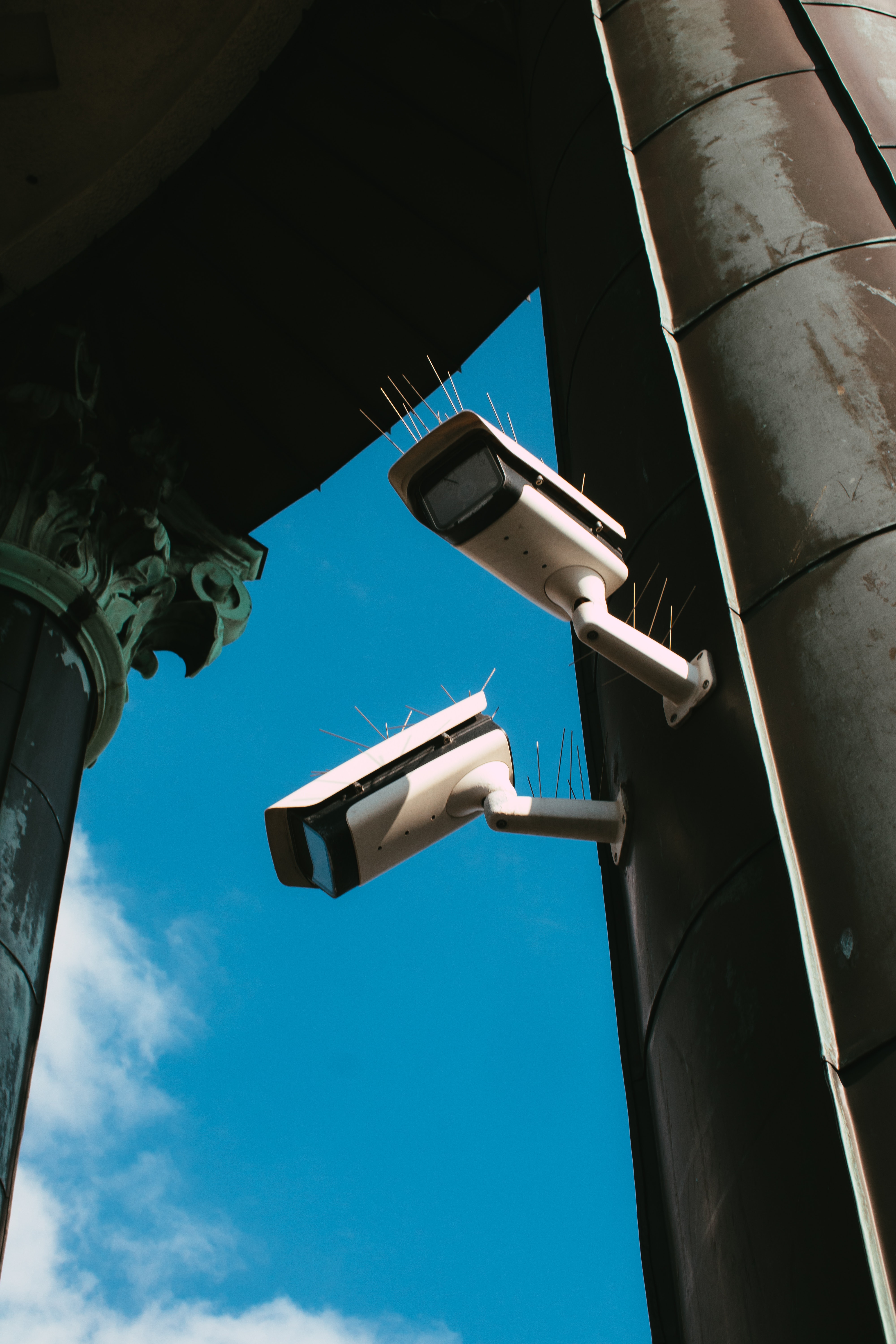
security cams
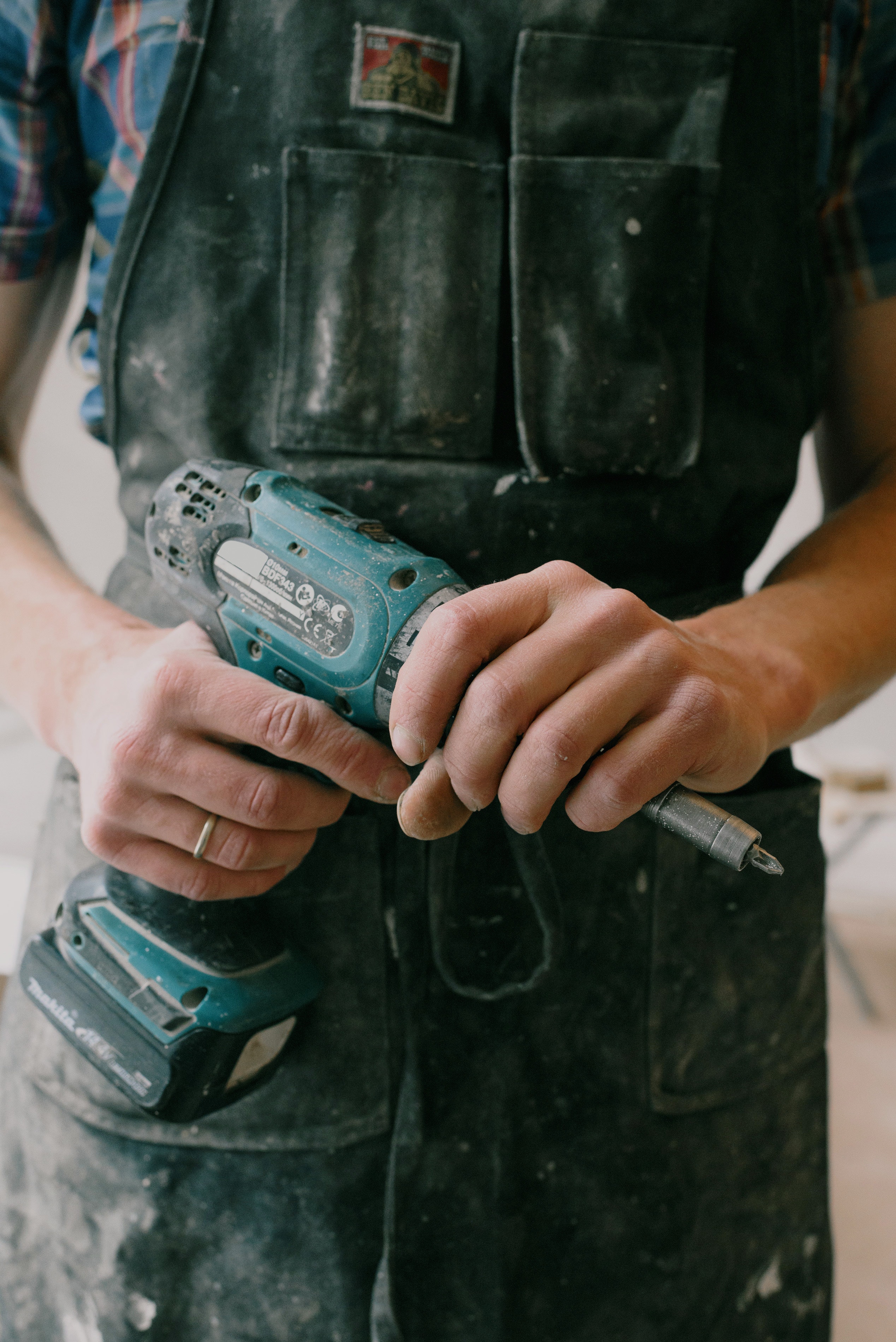
power tools

Monitors:

Monitors should constantly be checked. Smoke detectors and carbon monoxide detectors are a necessity. According to the CDC, “approximately 50,000 people in the U.S visit the emergency department each year due to accidental CO poisoning.” Carbon monoxide poisoning kills people and it can easily be detected. By ensuring these systems are working, a home is immediately much safer. Smoke detectors are also very important for maintaining safety within a home. According to The National Fire Protection Association, “The risk of dying in reported home structure fires is 55 percent lower in homes with working smoke alarms than in homes with no alarms or none that worked. Smoke detectors and carbon monoxide detectors are affordable and vital to creating a safe home.


Tool Safety:

Tool safety is a vital aspect of home safety. Tool Safety encompasses all tools that somebody would potentially use at home, whether for maintenance, DIY, home-renovations, etc. More than 200,000 people a year go to the hospital as a result of DIY injuries. DIY Projects aren't inherently dangerous, but sometimes certain undertakings at home are better off delegated to professionals with adequate safety training. 53.6% of all injury-involved accidents occur at home. Tool Safety at home cannot be understated when talking about overall home safety. Understanding proper safety practices for home tools is necessary for reducing risk of injury at home.


Child-Proofing:

A home with children should be child-proof or if not under attentive supervision when a child is present. Some common examples of child-proofing are installing covers on outlets, nets on windows, safety gates and cordless window coverings. Overall, if there is supervision, the risk of a child being injured is mostly mitigated but steps can still be taken to increase safety of the child. According to this article, “The national average childproofing cost is between $500 and $2,500” and $250 on the low-end.